The Legend of Zelda: Breath of the Wildlaunched the Nintendo Switch on a high note, to the extent many don’t refer to the game as the Wii U’s swansong despite spending much of its marketing cycle in development for that earlier console.Breath of the Wildwas critically acclaimed and beloved by fansas a new take on the long-standingZeldauniverse, so the Switch-exclusive sequelBreath of the Wild 2seemed inevitable. However, not every part of the first game was universally praised.
Hyrule became an open-world sandbox inBreath of the Wild, more inspired by its NES ancestor’s focus on exploration and uncovering secrets than the lineardungeon-based formula distilled byOcarina of Time. Many love the emergent gameplay inherent to this world’s physics engine, andBreath of the Wildsets a uniquely quiet, contemplative tone. That said, making everything more open meant the game’s narrative faltered in the eyes of some fans, especially given it was relegated primarily to flashbacks. This open design also had an effect on boss battles.

RELATED:Best Games to Play on the OLED Switch
Bosses inThe Legend of Zeldafranchise never get complex; many are meant to test a player’s understanding of the new tools they received in a dungeon by going through a pattern of (typically) three phases. However, even thoughZeldabosses can often be boiled down to “hit the glowing red eye,” many are fondly remembered for their diverse theming and epic scale. WithBreath of the Wild 2returning to Hyrule instead of blazing its own trail, it should bring back this style of boss design thatBreath of the Wildlargely forgot.
Breath of the Wild’s Bosses
There are a few different “tiers” of bosses inBreath of the Wild, but even so there isn’t a huge amount of variety on offer. First, there are powerful enemies strewn about Hyrule that a player will encounter in significant locales.Lynels are considered one of the toughest challengesfor new players, though they don’t come with a unique health bar. Those more demarkated “mini-bosses” are variants of the cycloptic Hinox, stone golem Talus, and Gerudo Desert-dwelling Molduga.
The Guardian Scouts found in 20 of the 120 Shrines considered a “Test of Strength” could also be considered boss fights. They don’t have special health bars, but they are more powerful versions of the enemies found in other Shrines that now fight in unique arenas - even if their patterns are formulaic and easy to learn. After that there are a few named, one-off bosses inBreath of the Wild’s world; for instance Master Kohga of the Yiga Clan, and Monk Maz Koshia fromThe Champion’s Ballad DLC. Naydra, a Malice-corrupted dragon at the top of Mount Lanayru, could also be considered a boss.
Divine Beasts are the closest thing to dungeons inBreath of the Wild, as they take the more isolated focus of most Shrines and turn them into larger environmental puzzles that involve manipulating positions of various body parts to unlock terminals. At the end of each Divine Beast is a fight with a Blight Ganon; four bosses that killed the Champions of Hyrule 100 years prior and must be stopped to free their spirits. The Blights look and act similar to one another despite having unique gimmicks, which becomes more apparent if players skip the Divine Beasts and instead duel them in a gauntlet before the final boss: Calamity Ganon.
How Breath of the Wild 2 Can Improve Bosses
The fact thatBreath of the Wildplayers can go anywhere once they complete the Great Plateau is one of its most important selling points, but it also limits the game somewhat. In olderLegend of Zeldaadventures, developers could ensure casual players only reached a boss after completing certain trials, meaning they could ramp up intensity over time.Breath of the Wildmust account for players reaching almost all of its content in any order, sooverworld bosses like Hinoxand the Blight Ganons are around the same stagnant power levels.
RELATED:Ganon Shouldn’t Be the Only Threat in Zelda: Breath of the Wild 2
There is a progression to basic enemy strength as Link grows stronger, andBreath of the Wild’s DLC Master Modecranks this higher with powerful monsters and different layouts. However, the relative dearth of unique bosses and this relative power scaling leads to a lot of repetition and less-than-memorable climaxes. Each Blight Ganon may have different abilities, but it can still feel like battling the same foe four times at the end of “dungeons” with uniform designs. That’s not to mention what many feel is an underwhelming cinematic battle with Beast Ganon at the very end.
Breath of the Wild 2may be retaining the original game’s general map and open exploration, but the way Hyrule is changing opens up the potential for more unique bosses. New enemy types appear inBreath of the Wild 2’s E3 2021 trailer, such as what looks to be a magnetic golem, a Talus with a Bokoblin camp on its back, and some kind of slug in the ceiling of a cave. Add on Link’s new abilities, from rewinding time using the Stasis Rune to some kind of flamethrower, and there’s room to imagine bigger bosses with different win conditions in lieu of the Blights.
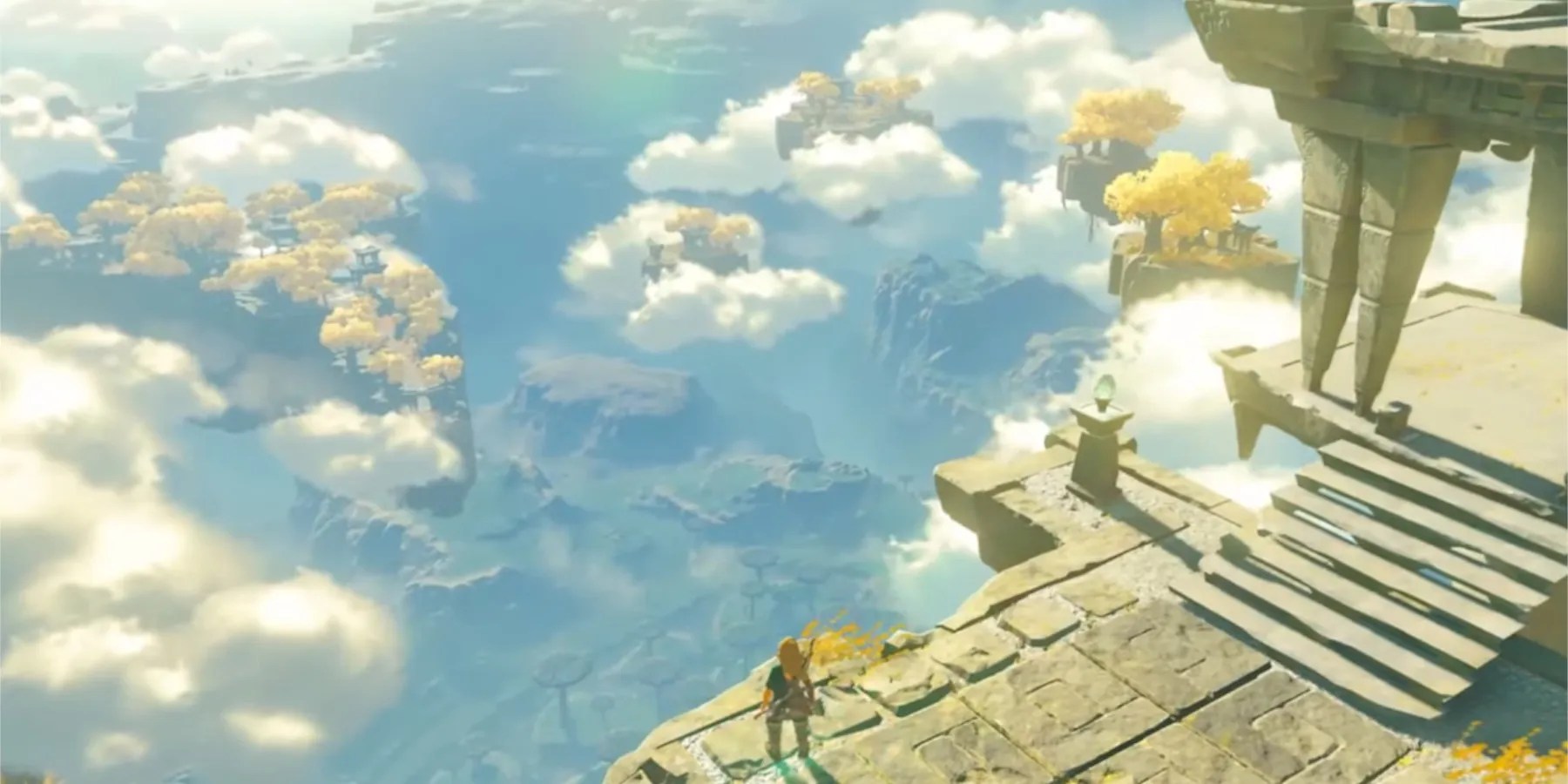
The upcoming game’s Hyrule is also changing as chunks of land float into the sky, which means thenegative space left behind will have to be filled. One possibility could be new dungeons in a traditional style with completely different aesthetics that fit the bosses at their cores.
If so, Nintendo should pull the best ideas from its past and adapt them to this modern style. Longstanding bosses like Gohma don’t have to return, though they have been shown to work with various interpretations ranging fromOcarina of Time’s parasite toWind Waker’s lava-dwelling beast. It’s the mechanics that are important.Fan-favorite boss Koloktos fromSkyward Swordencouraged players to steal its weapons by ripping out the automoton’s limbs; and Stallord fromTwilight Princessmade great use of its environment to make the fight feel like a chase through ancient ruins.
Those aforementioned examples work well mapped ontoBreath of the Wildmechanics like Magnesis and free-climbing, but are just a few examples of howBreath of the Wild 2could diversify its bosses. There is room for pure combat challenges and tests of strength, butZeldabosses shinewhen they feel more like a puzzle to solve.Breath of the Wild 2should remember this and marry its award-winning formula with the kind of boss encounters that fans love.
The Legend of Zelda: Breath of the Wild 2releases in 2022 for the Nintendo Switch.
